THE MACHINES OF THE ARCHIVE
Pictures and blueprints of the Boeing and Airbus aircraft that appear throughout the archive — how big they are, how far they fly, and what made each one famous. All images: Wikimedia Commons.

BOEING 707
The jet that shrank the world
1957
First flight
140–189
Seats
9,300 km
Range
America's first successful jet airliner — it made intercontinental jet travel routine.
Blueprint · 3-view line drawing


BOEING 727
The three-engine workhorse
1963
First flight
125–189
Seats
4,000 km
Range
Its T-tail and triple rear engines let it serve short runways no other jet could. D.B. Cooper jumped from one.
Blueprint · 3-view line drawing

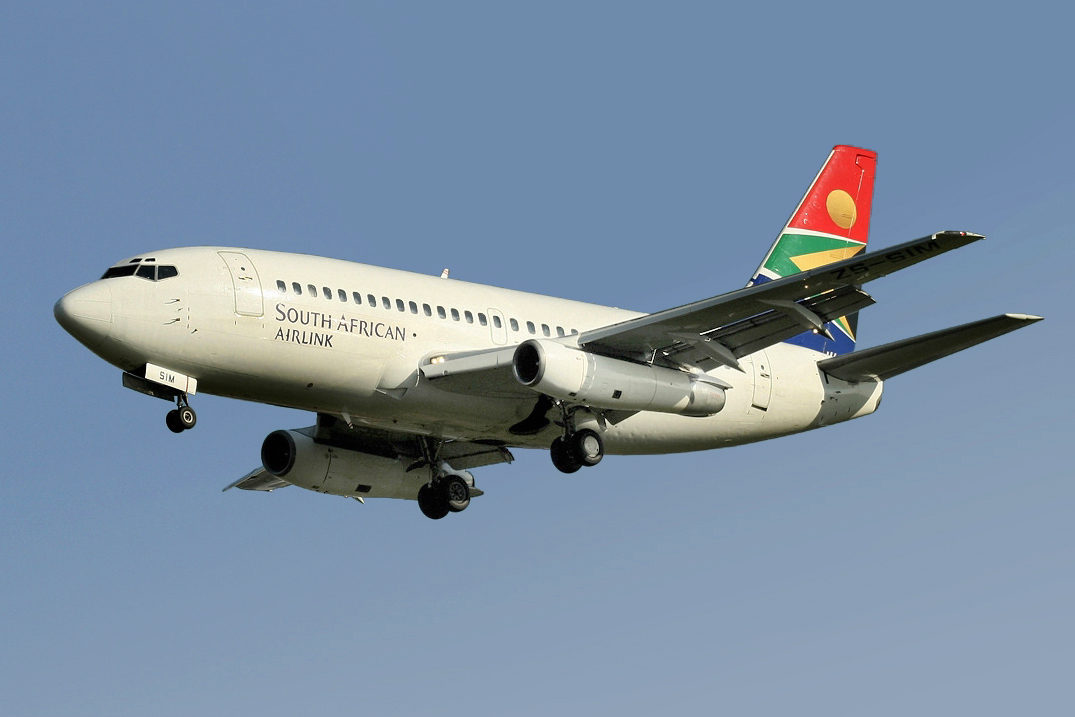
BOEING 737 CLASSIC
The best-selling airliner ever built
1967
First flight
108–168
Seats
4,600 km
Range
More than 11,000 737s of all generations delivered — at any moment, one is taking off somewhere on Earth.
Blueprint · Front view (737-300)


BOEING 737 MAX
The jet that changed certification forever
2016
First flight
162–230
Seats
6,570 km
Range
Grounded worldwide for 20 months after the MCAS disasters of Lion Air 610 and Ethiopian 302.
Full specs on Wikipedia
BOEING 747
Queen of the Skies
1969
First flight
366–467
Seats
13,400 km
Range
The original wide-body. Its hump defined long-haul travel for half a century — including Tenerife, the worst crash ever.
Blueprint · 3-view line drawing (747-400)


BOEING 757
The over-powered pencil
1982
First flight
178–239
Seats
7,220 km
Range
Rocket-like climb performance made it a pilot favorite for hot, high and short runways.
Full specs on Wikipedia
BOEING 767
The ETOPS pioneer
1981
First flight
181–296
Seats
11,800 km
Range
The twinjet that proved two engines could cross oceans — the Gimli Glider was a 767 that ran out of fuel.
Full specs on Wikipedia
BOEING 777
The world's largest twinjet
1994
First flight
301–396
Seats
13,650 km
Range
Designed entirely on computers. Its GE90 engines are wider than a 737's fuselage. MH370 was a 777.
Full specs on Wikipedia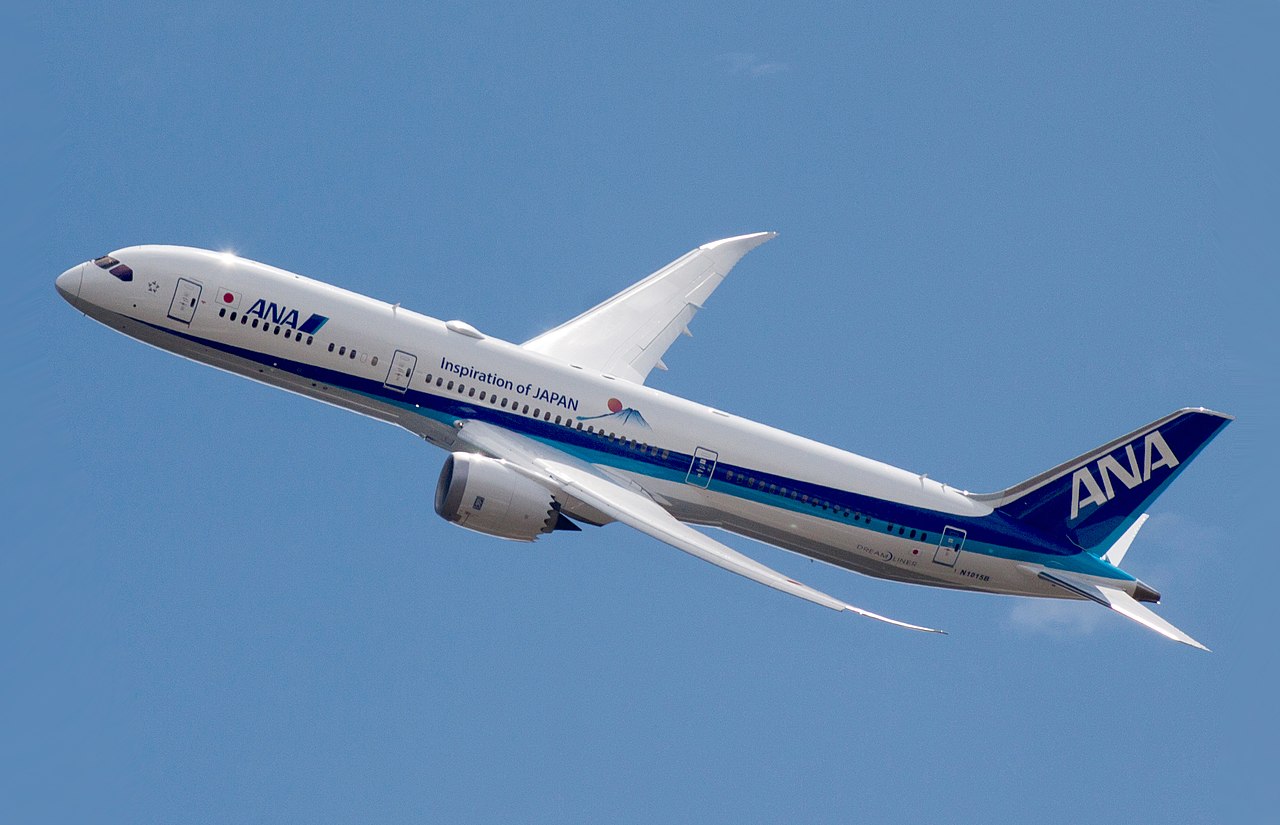
BOEING 787 DREAMLINER
The composite airliner
2009
First flight
248–336
Seats
13,950 km
Range
Half carbon-fiber by weight, with a cabin pressurized lower for comfort. Air India 171 was a 787.
Full specs on Wikipedia
AIRBUS A300
Airbus' first aircraft
1972
First flight
220–375
Seats
7,540 km
Range
The world's first twin-engine wide-body — the jet that launched Airbus and ended America's monopoly.
Full specs on Wikipedia
AIRBUS A320 FAMILY
The fly-by-wire pioneer
1987
First flight
140–240
Seats
6,100 km
Range
First airliner flown by computers with side-sticks. The Miracle on the Hudson A320 ditched with zero fatalities.
Full specs on Wikipedia
AIRBUS A330
The long-haul backbone
1992
First flight
247–406
Seats
13,450 km
Range
One of the safest wide-bodies ever — but Air France 447, its darkest night, rewrote stall training worldwide.
Full specs on Wikipedia
AIRBUS A340
The four-engine long-hauler
1991
First flight
261–440
Seats
14,350 km
Range
Built for ultra-long routes before twins were trusted. Air France 358 overran in Toronto — everyone survived.
Full specs on Wikipedia
AIRBUS A350 XWB
The carbon-fiber flagship
2013
First flight
300–410
Seats
15,000 km
Range
Airbus' newest wide-body — 53% composites, with the quietest cabin in its class.
Full specs on Wikipedia
AIRBUS A380
The double-deck giant
2005
First flight
525–853
Seats
14,800 km
Range
The largest passenger aircraft ever flown. Qantas 32 survived an uncontained engine explosion in 2010.
Full specs on Wikipedia
AÉROSPATIALE/BAC CONCORDE
The supersonic airliner
1969
First flight
92–128
Seats
7,220 km
Range
Cruised at Mach 2.04 — London to New York in under 3.5 hours. Retired in 2003, three years after the Air France 4590 disaster at Gonesse.
Blueprint · Plan view — the ogival delta wing
